
The "48 HOUR" cleaning action evidence: The "Living" Clean
, 1 min reading time
, 1 min reading time
Traditional chemical cleaners work via a "one-and-done" reaction. Once the chemical agent evaporates or is wiped away, the cleaning stops. In contrast, enzymatic cleaners utilise biological catalysts that remain active on a surface long after the initial application.
This report outlines the mechanism of action that allows enzymes to provide continuous cleaning, effectively breaking down organic matter (biofilms, fats, and proteins) over hours or even days.
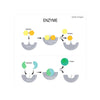
The Pac-Man Effect
For a general audience, the best way to visualise an enzyme is as a highly specialised, microscopic "recycler."


Traditional chemical cleaners work via a "one-and-done" reaction. Once the chemical agent evaporates or is wiped away, the cleaning stops. In contrast, enzymatic cleaners utilise...
The "48 HOUR" cleaning action evidence: The "Living" Clean
When dealing with pet urine, many people treat cleaner like a "wipe-on, wipe-off" solution. However, enzyme-based cleaners are not traditional soaps; they are biological tools....
Why "Dwell Time: is Non-Negotiable for Pet Stains
Enzyme-based cleaners break down pet urine at the source, rather than masking odours with fragrance. Using plant-based enzymes, they eliminate stains and smells safely and...
How Enzyme-Based Cleaners Eliminate Pet Urine — Naturally